All Categories
Featured

The Future Roadmap to Lower Costs
Table of Contents
It was a benefit to appear on Helen Guo's SMB Deal Hunter podcast recently, talking about how I bought an accounting company as a non-CPA. My 2 personal takeaways from this and other interviews I have actually done: 1. AMAZING how business ownership forces exponential individual, mental, and psychological development. Even given that we tape-recorded this a few months ago I'm miles ahead of where I was in this minute.
My background is super charming, but the canvas you see to my left bottom (on my right in reality), painted by my son, doesn't quite show up as the Red Bike Advisors brand as he planned. Probably time for a bit of a cleanup back there. See here!.
Google Advertisements tracks dozens of numbers. The ones that matter depend on your project goal. Income projects watch ROAS and CPA.
Landing Page Best Practices for Modern Digital Media
Per Google's Ads Assist Center, the metrics you need to prioritize depend on your objective. View ROAS and CPA. CTR tells you whether your ads are resonating.
Track what aligns with your goal. Metrics surface where that information points: which keywords lose budget, which advertisements pull clicks, which landing pages kill conversions. They inform you how often your ad appears and how typically individuals act on it.
Your advertisement isn't engaging, or you're targeting the incorrect audience. Per Google Ads paperwork, 5 clicks on 100 impressions equals a 5% CTR.
A low CTR is a signal to rewrite your headline or tighten your targeting. CTR isn't just a vanity metric. It feeds into Ad Rank, which identifies where your ad appears in the auction. Advertisements that regularly earn clicks signal to Google that your content matches searcher intent. That can reduce your costs over time.
Conversions pay the expenses. A conversion is any action you specify: a purchase, a type fill, a telephone call. Conversion rate is conversions divided by eligible clicks. Per Google's Ads Assist Center, this metric tells you how typically a click ends up being the outcome you want. A low conversion rate generally points to a landing page issue, not an ad issue.
Minimizing Customer Costs Through Better CRO
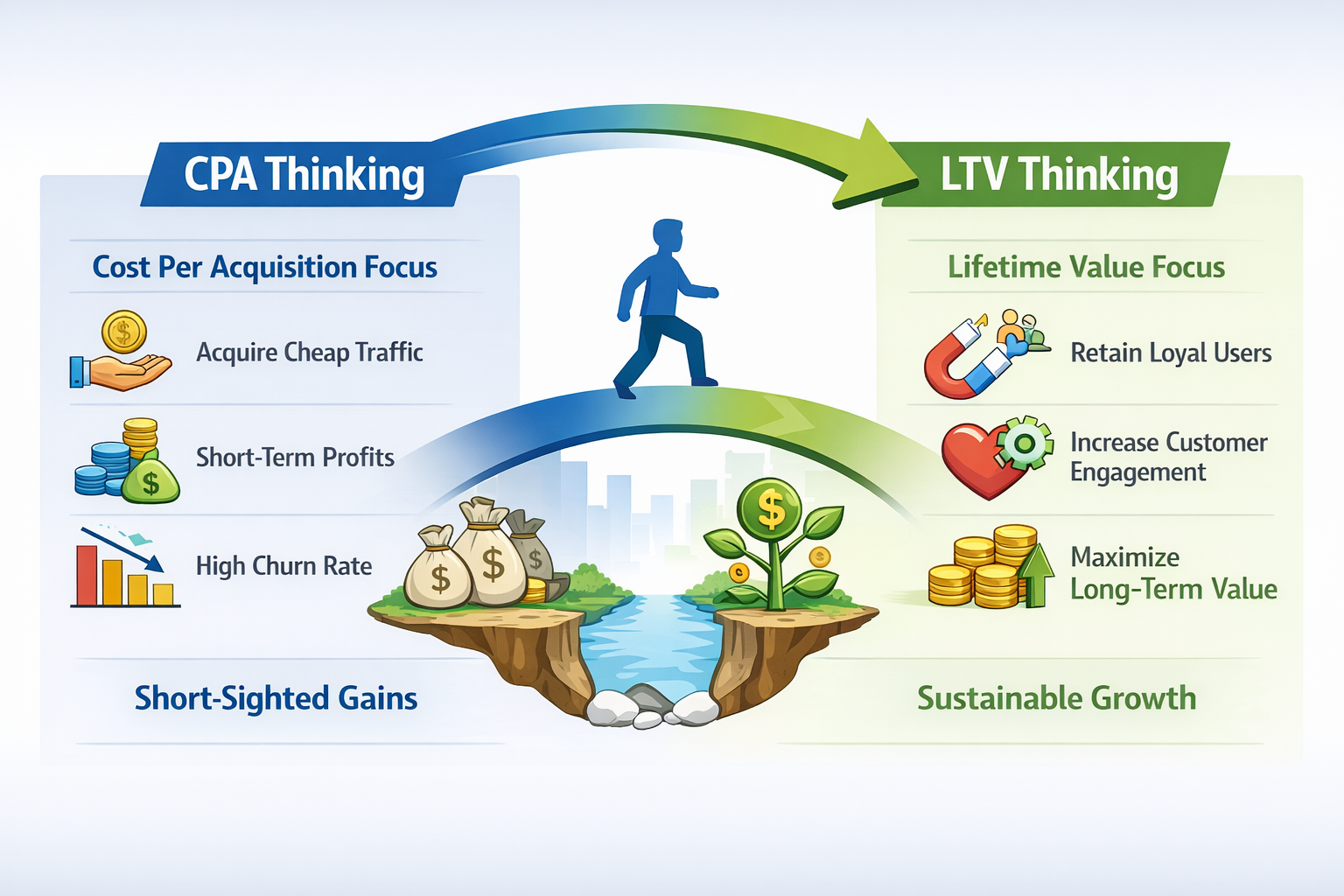
It tells you the typical cost to acquire one client action. If your certified public accountant exceeds what a client is worth to you, the campaign requires work. ROAS procedures profits earned per dollar spent. Per Google Ads documents, a 500% ROAS suggests you earn $5 in income for every $1 invested.
One crucial note: you require conversion tracking set up in Google Advertisements before these metrics appear. Without it, you can not determine Certified public accountant, ROAS, or conversion rate accurately.

Impression share is the portion of qualified impressions your ads in fact received. Per Google's Advertisements Assist Center, low impression share generally suggests you're losing exposure to budget restraints or low quotes.
CRO for Service Business WebsitesRefining Conversion Pages for Maximum Paid Results
Per Google Ads documentation, it's built from 3 components: expected CTR, ad significance, and landing page experience. Each element is ranked above average, average, or below typical compared to other marketers over the last 90 days.
Below-average advertisement significance? Your keywords and ad copy aren't lined up.-- Knowing the metrics is action one.
Don't chase CTR if your goal is Certified public accountant. Set a reporting regimen: weekly for active campaigns, regular monthly for evergreen ones. The majority of CTR and conversion rate issues come from weak creative or copy.

Latest Posts
Scaling Digital Growth Performance Across United States

Integrating AI-Driven Models Into Higher Conversion Rates
Essential Landing Page Strategies in 2026